
ChatGPT Logs Fail to Convict: Palisades Fire Arson Trial Ends in Mistrial
The Core · TL;DR
- Jonathan Rinderknecht was charged with arson in connection with the Palisades wildfire, one of the deadliest in LA history, allegedly set on New Year's Day 2025.
- Prosecutors used ChatGPT conversation logs as key evidence, including fire-image generation, angry emotional queries, and a question about cigarette-related fire liability.
- The trial ended in a mistrial after the jury deadlocked 10-2 in favor of the defense.
- A juror stated publicly that the ChatGPT logs did not constitute proof and that their use as evidence made her angry — raising broad questions about AI data in criminal proceedings.
An arson trial tied to one of the most destructive wildfires in Los Angeles history has collapsed into a mistrial — and at the center of the legal drama sits an unlikely piece of evidence: ChatGPT conversation logs.
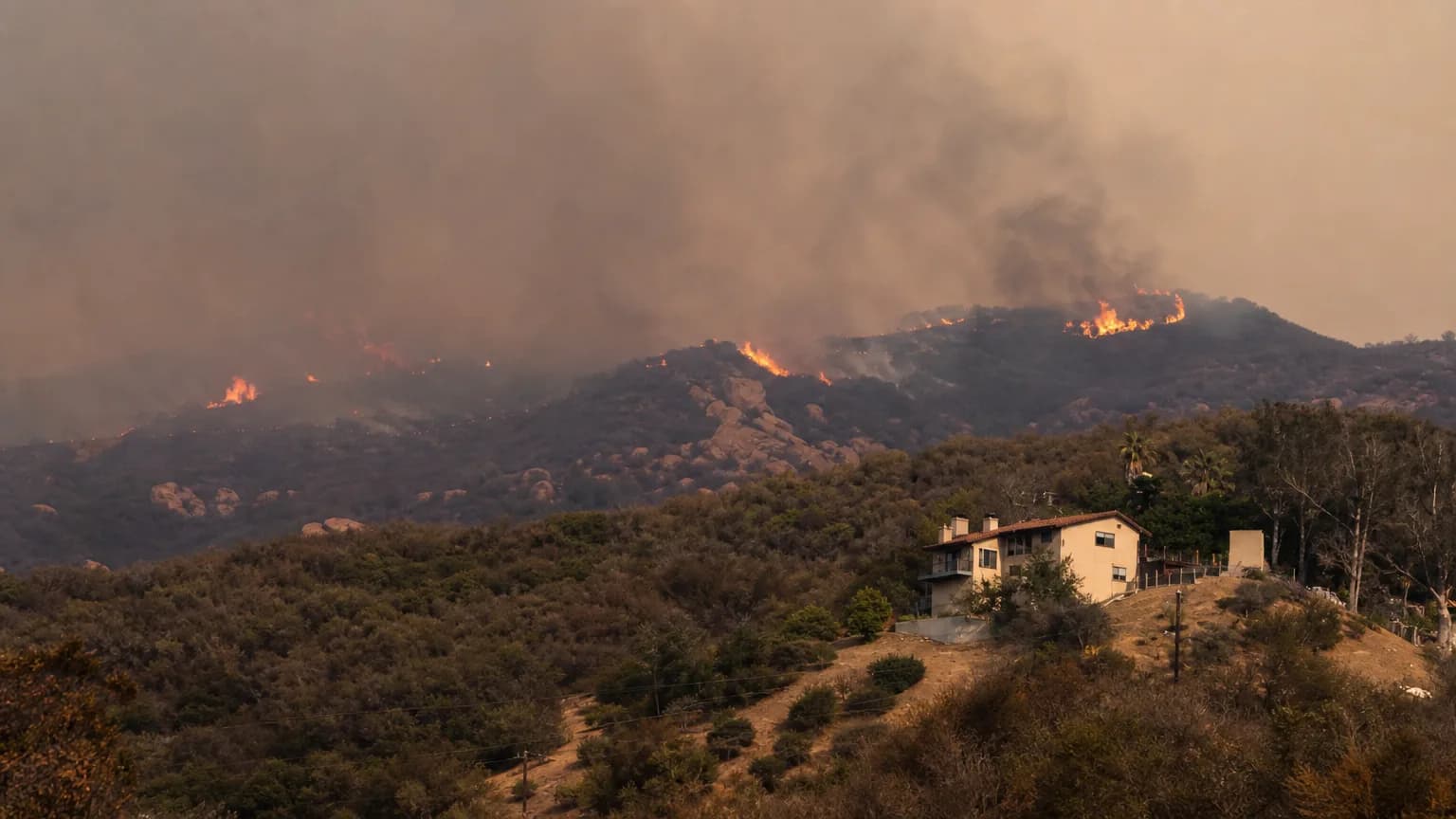
Jonathan Rinderknecht stood accused of setting a fire on New Year's Day 2025 that prosecutors linked to the Palisades wildfire, a blaze that killed multiple people and ranks among the deadliest in the city's history. The case drew attention well beyond the courtroom when it became clear that prosecutors had leaned heavily on AI-generated content and chatbot interaction records as part of their evidentiary strategy.
What the Prosecution Argued
Prosecutors assembled a digital portrait of Rinderknecht's state of mind in the days surrounding the fire. The evidence package included ChatGPT logs showing he had used the platform to generate images of fire, queried the chatbot with the question "Why am I so angry all the time?", and expressed grievances about wealthy people whom he believed were destroying the world.
Perhaps the most legally loaded exhibit was a screen recording in which Rinderknecht asked ChatGPT whether a person could be held liable for a fire started by their cigarette — a question prosecutors framed as consciousness of guilt. Alongside the AI logs, the case also incorporated iPhone location data, security camera footage, and witness testimony.
Why the Jury Wasn't Convinced
The jury deadlocked 10-2 in favor of the defense, forcing the judge to declare a mistrial. The split verdict signals that the prosecution's digital evidence strategy failed to persuade the overwhelming majority of jurors.
One juror spoke to CBS LA after the verdict, and her comments cut to the core of the problem: she did not believe the ChatGPT logs constituted proof of anything, and she described the prosecution's use of the chatbot records as making her "angry." The remark reflects a broader skepticism about what AI conversation data actually reveals — searching for fire images or venting frustration to a chatbot are behaviors that carry no inherent criminal weight in isolation.
A Precedent-Setting Evidentiary Gamble
The case raises substantive questions about the role of LLM interaction data in criminal proceedings. Prosecutors appear to have treated ChatGPT queries as windows into intent, analogous to browser search history — a legal theory that courts and juries have not uniformly accepted even for conventional search data.
The distinction matters: a search query is typically goal-directed and brief, whereas a ChatGPT conversation can meander, adopt personas, explore hypotheticals, and produce outputs that reflect the model's tendencies as much as the user's intent. Jurors, at least in this instance, appeared to recognize that ambiguity.
With the mistrial declared, prosecutors must decide whether to retry the case. The outcome of that decision will say as much about confidence in their non-AI evidence — the location data, camera footage, and witness accounts — as it does about any reassessment of the chatbot logs themselves.
Original reporting and research used to synthesize this article.
WAKIB Editorial Team
This review was prepared and summarized by the WAKIB AI intelligence engine and vetted by our editorial board for accuracy and reliability.
Subscribe to Newsletter
Get a weekly summary of the most promising AI research and tools delivered to your inbox.
Telegram Channel
Join our active community on Telegram for real-time tracking of AI models and trends.