
Zuckerberg's 6,000-Word Case Against Locking Up Superintelligence
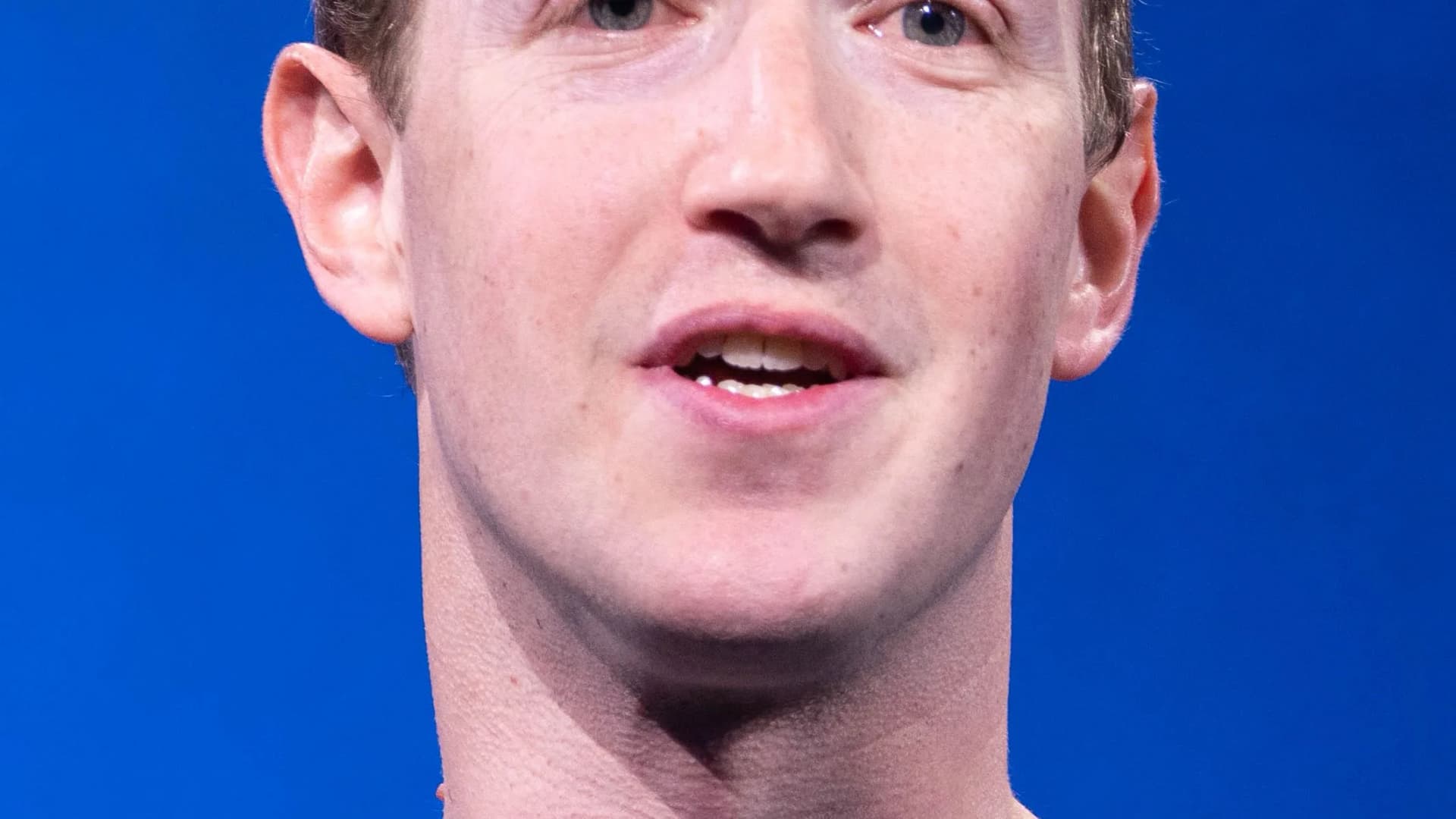
Anthony Quintano from Westminster, United States · CC BY 2.0 (via Wikimedia Commons)
The Core · TL;DR
- Zuckerberg published a 6,000+ word essay on August 10, 2026, arguing broad AI distribution is safer than concentration in a few labs.
- Meta simultaneously released Muse Glimmer, a 30B-parameter open-weight agentic model under Apache 2.0 license.
- Meta committed to a free AI tier for billions of users, a compute-auction paid tier, board-approved safety review, and encrypted personal AI agents.
- The stance directly contrasts with OpenAI and Anthropic's view that open-sourcing frontier AI is dangerous.
Mark Zuckerberg spent more than 6,000 words and roughly 60 mentions of "superintelligence" on August 10, 2026, arguing that the technology should be spread as widely as possible rather than held by a handful of labs. The essay, titled "The Future is for Everyone," was timed to coincide with Meta's release of Muse Glimmer, a 30-billion-parameter open-weight agentic model shipped under an Apache 2.0 license.
The pairing was deliberate. Zuckerberg's core claim, that broad distribution of AI capability makes the technology safer rather than more dangerous, needed a concrete product to back it up, and Muse Glimmer serves as that proof point.
The essay builds directly on a Wall Street Journal op-ed Zuckerberg published on July 28, 2026, extending an argument he has now made twice in as many weeks. It also marks a return to open releases from Meta Superintelligence Labs after a stretch without new models, a commitment the essay makes explicit alongside promises of future open-weight drops.
A Direct Line Against OpenAI and Anthropic
The philosophical divide is stark. OpenAI and Anthropic have both argued publicly that open-sourcing frontier models is reckless, favoring tightly controlled, proprietary deployment instead. Zuckerberg's essay positions Meta squarely against that view.
Zuckerberg frames broad access, not restriction, as the safer path to superintelligence.
Beyond the philosophical framing, the essay lays out concrete commitments. Meta will offer a free AI tier aimed at reaching billions of users, alongside a paid tier where compute access is allocated through an auction mechanism, an unusual pricing model for consumer-facing AI products.
On governance, Meta says its independent board will gain formal authority to set safety criteria for model releases and to review whether upcoming launches actually meet them, adding a layer of internal oversight that didn't previously exist in this form.
Privacy and a Nod to Washington
Zuckerberg also commits Meta to building a fully private processing mode for personal AI agents, one that Meta itself would be unable to access. The design is explicitly modeled on WhatsApp's end-to-end encryption, extending that privacy architecture into AI assistants.
On the policy side, Zuckerberg proposes that frontier labs share intermediate training checkpoints of unreleased models with the U.S. government before public launch, framed as a way to let officials harden critical infrastructure in advance rather than react after deployment.
Together, the commitments read as an attempt to answer safety critics on Meta's own terms: open weights paired with board oversight, encrypted personal agents, and a voluntary channel to government. Whether regulators or rival labs accept that framing is a separate question from whether Meta follows through on it.
Original reporting and research used to synthesize this article.
WAKIB Editorial Team
This review was prepared and summarized by the WAKIB AI intelligence engine and vetted by our editorial board for accuracy and reliability.
Subscribe to Newsletter
Get a weekly summary of the most promising AI research and tools delivered to your inbox.
Telegram Channel
Join our active community on Telegram for real-time tracking of AI models and trends.