
TechCrunch Disrupt 2026 Pairs AI Business Strategy With the Race to Power It
The Core · TL;DR
- TechCrunch Disrupt 2026 runs October 13-15 at Moscone Center in San Francisco
- The Google for Startups-backed AI Stage covers AI business models, pricing, and agent security with speakers from Databricks, Decart, Luma AI, and Clay
- A new Smart Systems Stage focuses on the energy and grid demands of AI, featuring fusion companies Helion and Commonwealth Fusion Systems alongside grid and power infrastructure leaders
- The dual-stage format highlights growing industry focus on power constraints as a limiting factor for AI scaling
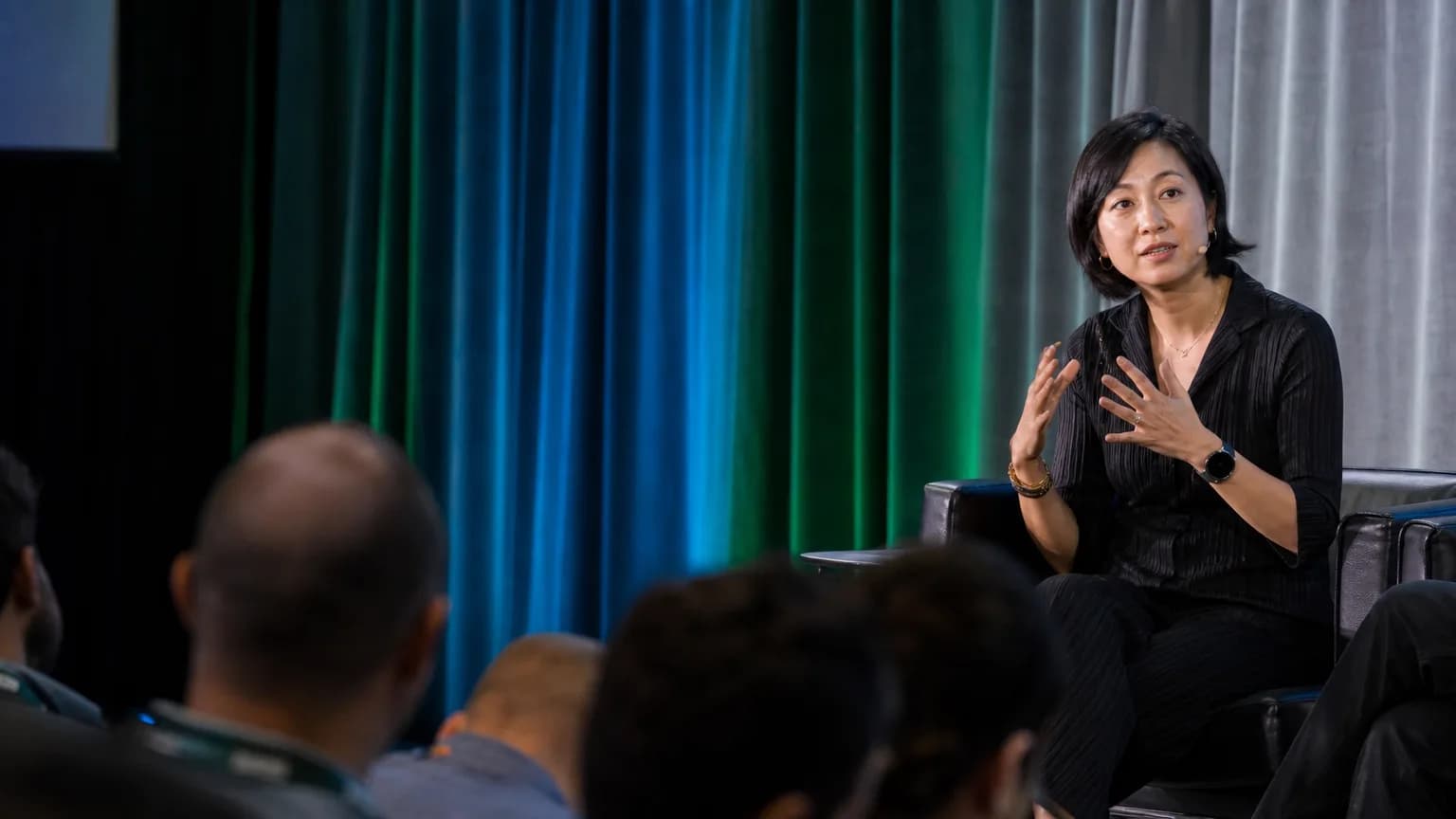
Moscone Center in San Francisco will host TechCrunch Disrupt 2026 from October 13 to 15, and this year's agenda draws a direct line between how AI companies make money and what it actually costs to keep their models running. Two stages in particular capture that split: the AI Stage, presented by Google for Startups, and the newly detailed Smart Systems Stage, focused on energy and infrastructure.
The AI Stage will dig into the commercial side of the industry: business models under pressure, pricing strategy for AI products, new job categories the technology is creating, and the widening security gap around autonomous agents. Confirmed speakers include Arsalan Tavakoli, Databricks' co-founder and SVP of Field Engineering, alongside Dean Leitersdorf of Decart, Amit Jain of Luma AI, and Kareem Amin of Clay, all founder-CEOs of companies built around applied AI products.
Powering the Boom, Not Just Building It
The Smart Systems Stage takes a different angle, treating electricity as the real bottleneck behind AI's growth curve. Sessions will cover commercial fusion progress, grid modernization, and the mounting strain that data center power demand is placing on existing infrastructure.
The speaker lineup reads like a cross-section of the energy-for-AI supply chain. David Kirtley of Helion and Brandon Sorbom of Commonwealth Fusion Systems represent the fusion side of the bet, while Drew Baglino of Heron Power and Apoorv Bhargava of WeaveGrid focus on grid-level fixes.
Jeff Lawson of Inertia, Sara Spangelo of Ambrosia Energy, and Bill Thayer of Bloom Energy round out a group spanning power generation, storage, and data center energy solutions. Their shared presence on one stage signals how seriously the conference is treating power availability as a hard constraint on AI's near-term expansion.
Putting these two stages side by side is a deliberate editorial choice by TechCrunch. It reflects a maturing industry conversation: the question is no longer just which AI product wins the market, but whether the physical grid can support the compute that product needs to scale.
For founders and engineering leaders attending, the practical takeaway is that infrastructure planning and go-to-market strategy are converging into a single conversation rather than two separate tracks. Anyone building or investing in AI at scale now has to reckon with both sides of that equation at once.
Original reporting and research used to synthesize this article.
WAKIB Editorial Team
This review was prepared and summarized by the WAKIB AI intelligence engine and vetted by our editorial board for accuracy and reliability.
Subscribe to Newsletter
Get a weekly summary of the most promising AI research and tools delivered to your inbox.
Telegram Channel
Join our active community on Telegram for real-time tracking of AI models and trends.