
neill Blomkamp's New A13-Minute Film Was Built Entirely From Text Prompts
The Core · TL;DR
- Neill Blomkamp's 13-minute short 'Nightborne' was generated entirely with ByteDance's Seedance 2.0 text-to-video model, directed frame by frame via text prompts.
- The film loosely adapts Peter Watts' novel 'Echopraxia' and licenses the faces and voices of 32 human actors despite being AI-generated.
- Blomkamp calls it a 'test start' and plans to make a full feature film using the same AI-native production approach.
- The release also marks the launch of Barley Studios, Blomkamp's new AI-focused production company succeeding Oats Studios.
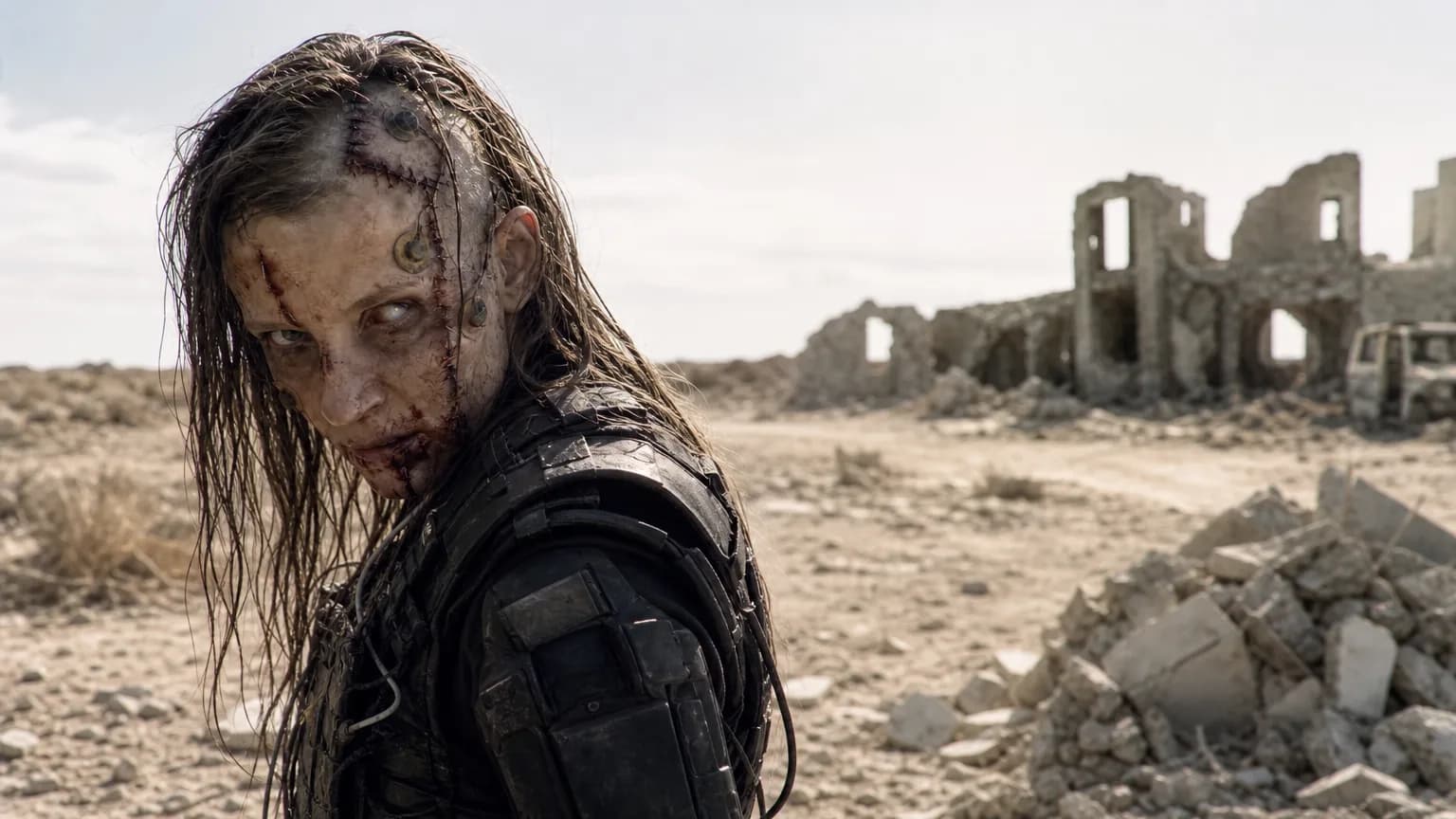
Neill Blomkamp directed his latest project the way a screenwriter mightes an outline: frame by frame, in text. "Nightborne," a 13-minute science fiction short from the "District 9" filmmaker, was generated in its entirety using ByteDance's Seedance 2.0 text-to-video model, marking one of the highest-profile experiments yet in AI-native filmmaking.
The film draws loosely from Peter Watts' 2014 novel "Echopraxia" and was cut together by editor Austyn Daines. Rather than shooting footage with cameras or actors on a set, Blomkamp fed prompts into Seedance 2.0 to construct each shot, assembling the sequence much like a traditional edit but with generated video standing in for live-action plates. Human concept artists still shaped the film's visual direction before the AI stage, and the faces and voices of 32 human performers appear throughout under licensing agreements, a detail that signals how hybrid these productions remain even when marketed as "entirely AI-made."
Blomkamp has been explicit that "Nightborne" is not meant to stand as a finished artistic statement so much as a proof of concept. He has called it a "test start," a way of demonstrating what current generative video tools can achieve in a narrative format rather than isolated clips or demo reels. That framing matters: short AI-generated videos have circulated for years, but a 13-minute film with continuity, character performance, and a licensed cast pushes the format closer to something resembling conventional short filmmaking.
The project also marks the debut of Barley Studios, a new venture from Blomkamp that effectively replaces Oats Studios, his earlier experimental production outfit known for genre shorts that sometimes spun into feature deals. Barley Studios appears positioned specifically around AI-driven production pipelines, suggesting Blomkamp intends to keep working in this mode rather than treating "Nightborne" as a one-off curiosity.
What Comes Next
Blomkamp has said he wants to move from short-form experiments to a full feature film built with the same AI-centric approach. No timeline, budget, or distribution plan has been disclosed, and it is unclear whether future projects will rely on Seedance 2.0 specifically or pull from multiple generative video tools as the technology matures.
The bigger implications sit with the labor and licensing questions the film raises. Using real actors' likenesses and voices under formal agreements, rather than synthetic or fully generated performers, hints at one possible middle path for AI filmmaking: keeping human talent contractually involved while automating the camera, lighting, and production departments entirely. Whether that model scales to a feature-length production, and whether other studios follow Blomkamp's lead with ByteDance's Seedance line, will likely shape how seriously Hollywood treats generative video as a production tool rather than a visual-effects gimmick.
Original reporting and research used to synthesize this article.
WAKIB Editorial Team
This review was prepared and summarized by the WAKIB AI intelligence engine and vetted by our editorial board for accuracy and reliability.
Subscribe to Newsletter
Get a weekly summary of the most promising AI research and tools delivered to your inbox.
Telegram Channel
Join our active community on Telegram for real-time tracking of AI models and trends.