
EDM Producer Turns AI-Music Vigilante to Expose Fake Human Tracks
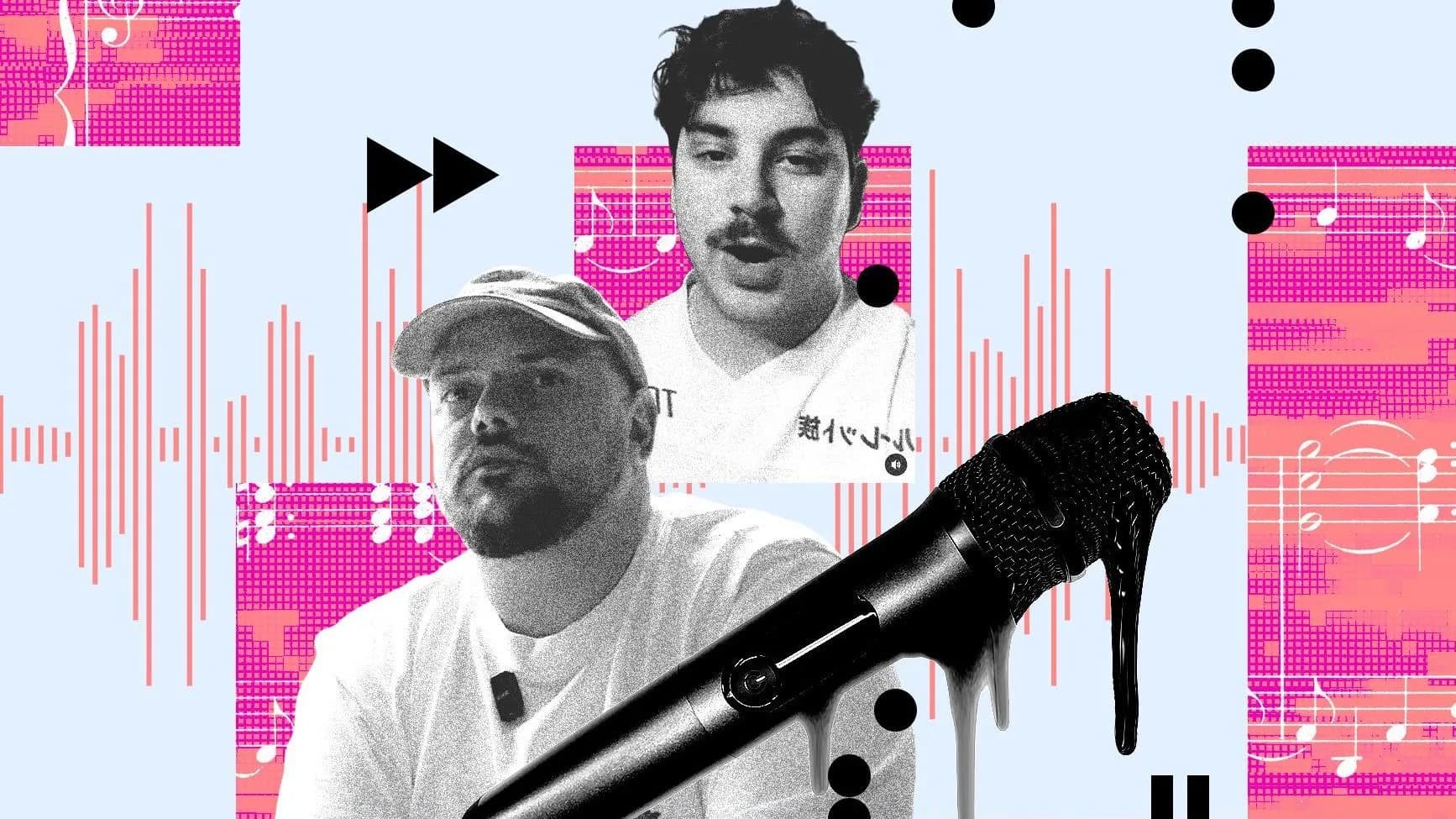
businessstory.org · News coverage photograph, editorial use approved
The Core · TL;DR
- EDM producer Max 'H4RRIS' Harris, 26, is publicly exposing musicians who pass off AI-generated tracks as human-made
- Several accused artists initially denied using AI tools before admitting it under public scrutiny
- Harris calls AI-generated music 'a kind of decoy art form' and contrasts it with his hands-on studio setup
- Beatport says it is working to protect human creators from unauthorized AI tracks on its platform
Max "H4RRIS" Harris spends his days chasing down musicians who won't admit their tracks came from a prompt box instead of a studio session. The 26-year-old EDM producer from Maine has taken on an unofficial role as the genre's AI fraud detector, publicly calling out artists he suspects of passing off AI-generated songs as original human work.
His targets often follow a familiar script. Confronted with evidence, several musicians denied using AI-generated music at all, only to admit it later once public pressure and scrutiny made the denial untenable.
Harris frames the issue in stark terms. He describes AI-generated music as "a kind of decoy art form," language that makes clear he does not regard it as art in the first place, regardless of how polished the output sounds.
The distinction matters to him partly because of how he actually makes music. Harris builds tracks using Ableton Live alongside a Novation Launchkey 49 MIDI controller, an Ableton Push 3, a Launchpad X, analog synthesizers, and software instruments including Serum, Diva, and a Kontakt sampler. That hands-on process, layering sound design decision by decision, sits in direct contrast to melodies and vocals that tools like Suno can generate in seconds by learning from the catalogs of human artists.
The broader problem he's pointing to isn't new to electronic music, but it is accelerating. AI-generated tracks have become common enough online that entire songs, vocal lines included, can be produced with output algorithmically derived from real artists' recordings, often without those artists' knowledge or consent.
Platforms Start Pushing Back
Harris isn't acting entirely alone. Beatport, one of the dominant marketplaces and streaming platforms for electronic music, says it is working to shield human creators from unauthorized AI tracks slipping into the ecosystem it serves.
What that protection looks like in practice, whether through detection tools, takedown policies, or labeling requirements, remains an open question the platform has not fully detailed. For now, the enforcement burden is falling heavily on producers like Harris, who are relying on public callouts rather than platform infrastructure to police authenticity.
The tension points to a wider identity crisis brewing in electronic music, a genre already associated with synthesizers and software-driven production. As the line between human-programmed sound design and AI-generated composition keeps narrowing, the question of who gets credited as "the artist" is becoming harder for the culture to ignore.
Original reporting and research used to synthesize this article.
WAKIB Editorial Team
This review was prepared and summarized by the WAKIB AI intelligence engine and vetted by our editorial board for accuracy and reliability.
Subscribe to Newsletter
Get a weekly summary of the most promising AI research and tools delivered to your inbox.
Telegram Channel
Join our active community on Telegram for real-time tracking of AI models and trends.