
Amazon's Texas AI data center could become the US's top polluter
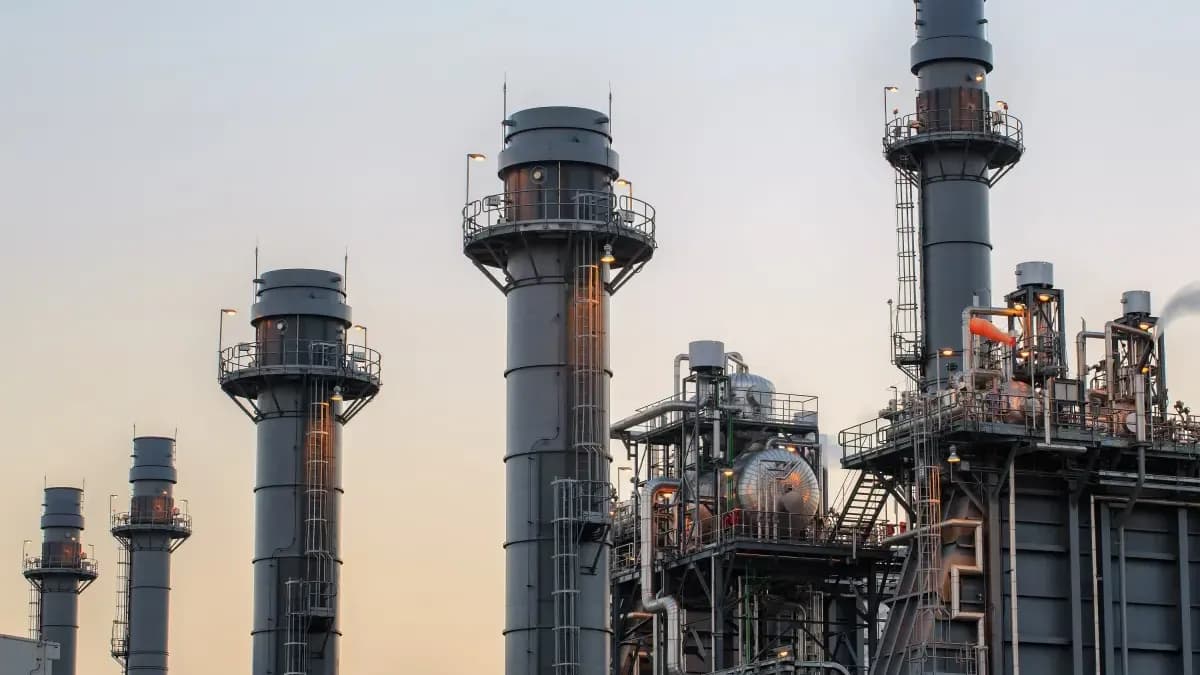
techcrunch.com · Publisher photograph, editorial use approved
The Core · TL;DR
- Amazon's planned Pecos County, Texas data center includes an on-site natural gas plant permitted to emit 33 million tons of CO2 annually.
- That permitted output would exceed any power plant currently operating in the US.
- Amazon says the setup won't raise local electricity costs, amid growing political pushback against data centers' grid impact.
- The project sits in tension with Amazon's Climate Pledge to reach net-zero emissions by 2040, after the company reported a 16% rise in emissions last year.
Amazon is planning a data center in Pecos County, Texas, that comes bundled with its own natural gas power plant, one permitted to emit 33 million tons of carbon dioxide every year. That figure alone would outrank every other power plant currently operating in the United States.
The facility is being built to feed the electricity demands of AI infrastructure, a category of computing load that has outpaced what regional grids can reliably supply. Rather than wait for utility upgrades or new transmission capacity, Amazon is opting to generate power on-site.
Amazon says the arrangement is structured so it won't push up electricity costs for Texas residents living near the site. That claim matters politically: data centers nationwide are drawing growing pushback from local officials and communities worried that massive new power draws will raise rates for everyone else on the grid.
A gap with the Climate Pledge
The emissions math sits awkwardly against Amazon's own public commitments. The company co-founded the Climate Pledge, under which it agreed to eliminate its net carbon emissions by 2040.
That target now has to be squared with a single facility permitted to release more carbon than any existing US power plant. Amazon's own emissions have already been trending the wrong way: the company reported a 16% year-over-year increase in its carbon footprint most recently.
This is not an isolated case. Major cloud providers across the industry have increasingly turned to on-site natural gas generation as a shortcut around slow-moving grid interconnection queues, betting that speed to power matters more right now than emissions math.
The permitted output at the Pecos County site would exceed that of any power plant currently running in the country.
The tension is structural rather than incidental. Training and running large AI models requires power at a scale and speed that clean-energy buildouts, largely dependent on permitting timelines and transmission infrastructure, cannot yet match.
Until that gap closes, natural gas is emerging as the default bridge fuel for AI infrastructure, even at companies that have made public net-zero pledges. Pecos County may end up as the most visible test case yet of how far that bridge is expected to stretch, and how much scrutiny it draws along the way.
Original reporting and research used to synthesize this article.
WAKIB Editorial Team
This review was prepared and summarized by the WAKIB AI intelligence engine and vetted by our editorial board for accuracy and reliability.
Subscribe to Newsletter
Get a weekly summary of the most promising AI research and tools delivered to your inbox.
Telegram Channel
Join our active community on Telegram for real-time tracking of AI models and trends.