
A Raccoon Heist Game Exposes How AI Coding Models Differ
The Core · TL;DR
- Simon Willison compared Claude Fable 5 and GPT-5.6 Sol Ultra (via Codex Desktop) on an identical Raccoon Heist game prompt
- Claude Fable 5 built a simple single-raccoon coin-collecting game; Sol Ultra built a more complex museum heist with two raccoons stacking to reach a golden sardine
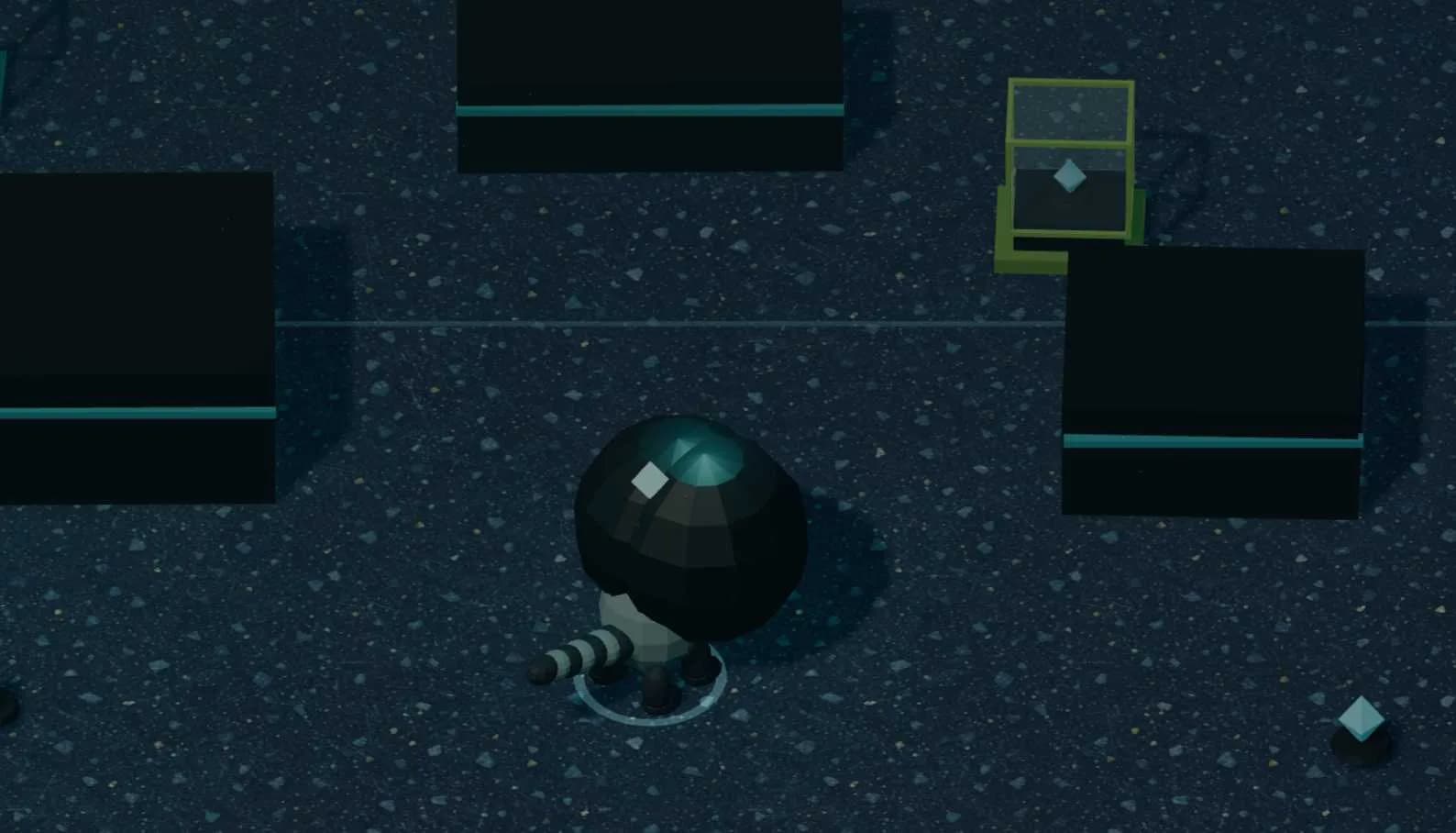
- Sol Ultra's sub-agent-heavy build shipped with a bug giving every raccoon a giant floating eyeball, which Codex Desktop failed to catch across 52 minutes of screenshot review
- Willison had to manually prompt Codex Desktop to identify and fix the visual bug
Developer Simon Willison spent an afternoon comparing two frontier AI coding systems on the same task: building a browser game about raccoons stealing a golden sardine. The results, published in a blog post on August 7, 2026, offer a small but revealing window into how differently these models approach the same creative brief.
The premise itself had an odd history. Willison originally generated it four years earlier using GPT-3 and DALL-E, then resurrected it as a prompt for Claude Fable 5 and, separately, for Codex Desktop running GPT-5.6 Sol Ultra.
Claude Fable 5 played it safe. It produced a single-raccoon game in which the player scurries around a backyard collecting coins and fish, a modest but functional interpretation of the brief.
GPT-5.6 Sol Ultra went further. Its version, built inside Codex Desktop, placed players in a museum where they rescue two raccoon crewmates and physically stack on top of one another to reach and steal the golden sardine. That extra structural ambition tracks with how Sol Ultra operates: the model leans heavily on sub-agents, effectively delegating parts of the build to itself in parallel.
That complexity came with a cost. The initial Sol Ultra build shipped with a glaring visual bug: each raccoon rendered with a giant, floating eyeball sphere hovering above its head. Codex Desktop reviewed its own screenshots during development but never caught the defect.
Codex Desktop spent 52 minutes on the Raccoon Heist project and still missed an oversized eyeball floating above every raccoon.
Willison had to intervene manually, prompting Codex with direct questions about the enlarged spheres and asking for a fix, which resolved the issue. The episode underscores a persistent gap in current coding agents: the ability to generate visually complex, multi-agent-coordinated output does not guarantee the ability to self-verify what that output actually looks like.
The comparison is informal, a single prompt run once on each system, but it fits a broader pattern developers have flagged with agentic coding tools. More sub-agent delegation and architectural ambition can produce richer features, yet it doesn't automatically translate into better quality control. Screenshot review, in this case, was present but ineffective, suggesting that visual QA remains one of the weaker links in autonomous coding workflows even as the code-generation side keeps improving.
For teams evaluating Claude versus OpenAI's coding stack for creative or front-end-heavy projects, the takeaway is less about picking a winner and more about where oversight is still required. Ambitious output from sub-agent architectures may need a human pass specifically for visual correctness, not just functional testing.
Original reporting and research used to synthesize this article.
WAKIB Editorial Team
This review was prepared and summarized by the WAKIB AI intelligence engine and vetted by our editorial board for accuracy and reliability.
Subscribe to Newsletter
Get a weekly summary of the most promising AI research and tools delivered to your inbox.
Telegram Channel
Join our active community on Telegram for real-time tracking of AI models and trends.